
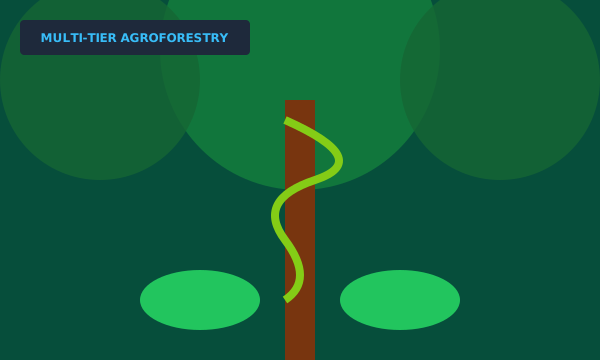
Vertical Canopy Stratification
By structuring orchards into distinct photosynthetic tiers, farmers optimize light capture:
- Top Tier (15-25m): Mature coconut palm fronds capturing intense unfiltered solar radiation.
- Middle Tier (3-8m): Semi-shade nutmeg and dwarf cocoa bushes flourishing under 50% diffused sunlight.
- Vertical Climber: Black pepper vines trained up palm trunks utilizing dormant vertical structural space.
- Ground Tier (0-1m): Organic ginger and turmeric filtering residual ground-level sunlight while suppressing weed growth.
Soil Biological Health Metrics:
- Mycorrhizal Diversity: Soil microbial biomass increased by 64% over a 24-month regenerative transition.
- Organic Carbon: Continuous leaf litter decomposition elevated topsoil organic matter from 0.8% to 2.3%.
- Drought Buffering: Dense canopy layering reduced ambient ground temperature by 3.8°C during midday peaks.